
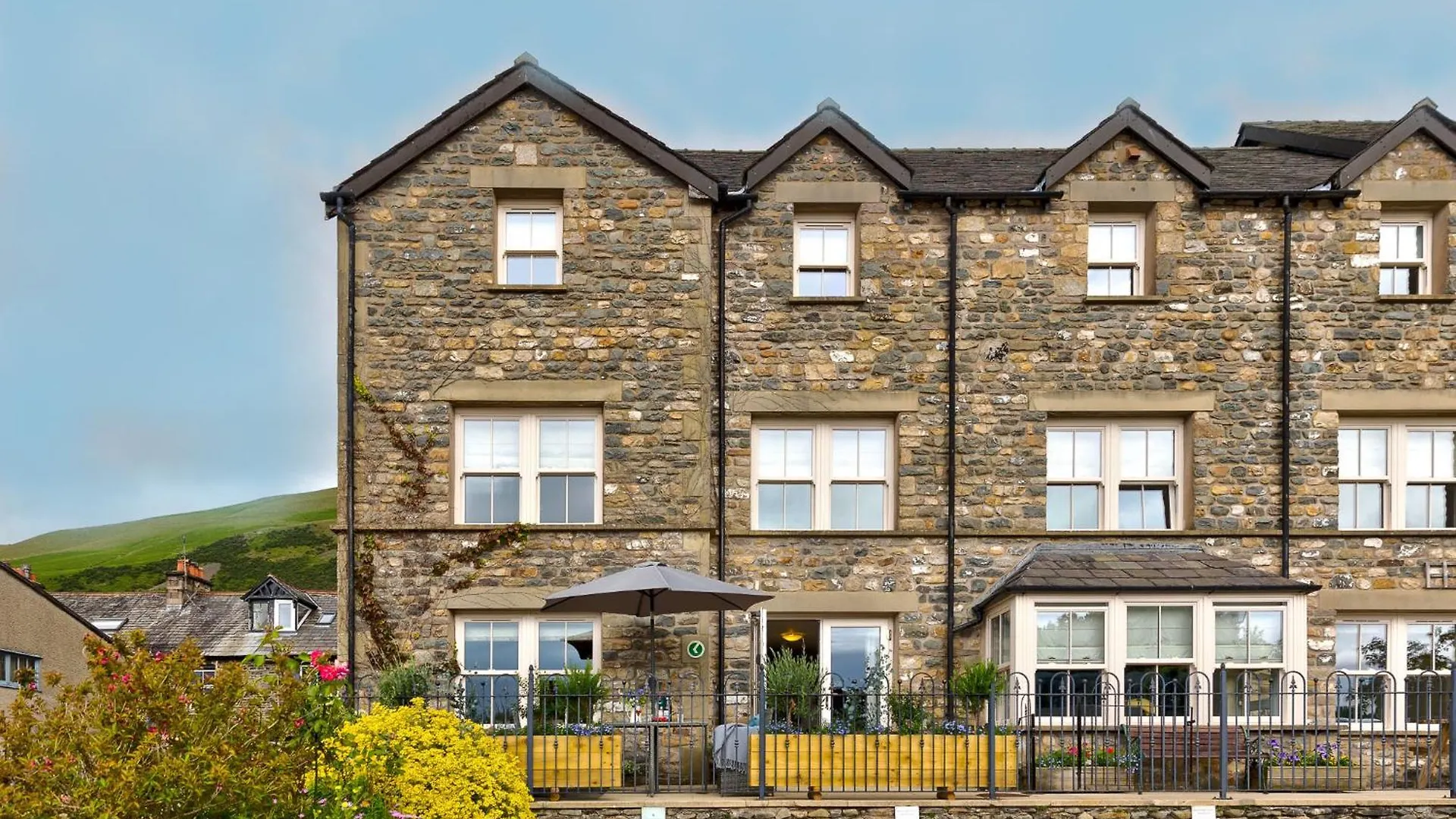
Cumbria stretches across England's northwest corner, covering the Lake District, the Yorkshire Dales fringe, and the Roman frontier of Hadrian's Wall - making location one of the most decisive factors when choosing where to stay. Whether you're basing yourself near a trailhead, a market town, or a historic site, the right position dramatically changes what you can access without a car and how much time you spend driving between highlights. These four hotels stand out specifically for their location ratings, placing you within reach of Cumbria's most-visited natural and cultural landmarks.
What It's Like Staying in Cumbria
Cumbria is England's second-largest county and home to the Lake District National Park, which attracts around 20 million visitors annually - making strategic accommodation choice essential to avoiding bottlenecks. Car travel is almost unavoidable across most of the county, with limited bus services connecting rural villages to main hubs like Kendal, Penrith, and Carlisle. Visitors who plan their base carefully can access both the Lakes and the quieter Howgill Fells or Hadrian's Wall corridor without significant daily drive times.
Pros:
- Unmatched access to England's finest hiking, including Scafell Pike, Helvellyn, and the Howgill Fells
- Wide range of micro-destinations within a single county - lakes, Roman ruins, market towns, and book towns
- Rural bases offer genuinely quiet nights and low light pollution, rare in English tourism
Cons:
- Public transport between villages is sparse; a car is effectively mandatory for most itineraries
- Peak summer weekends see Windermere and Ambleside reach overcrowded conditions quickly
- Weather is highly unpredictable year-round, with rainfall significantly above the English average
Why Choose a Well-Located Hotel in Cumbria
In a county this geographically varied, a high location rating means something specific: proximity to a trailhead, a village centre, or a scenic corridor that removes unnecessary driving from your day. Hotels rated highly for location in Cumbria tend to sit either within walking distance of key access points or directly on the edge of protected landscapes, giving guests immediate access to the outdoors without navigating narrow rural roads. Unlike urban hotel categories, location value here is measured in hiking convenience and landscape immersion, not proximity to public transport.
Pros:
- Direct access to trails, fells, or lakeside paths reduces daily logistical friction significantly
- Properties positioned in or near villages offer independent restaurants, pubs, and local shops within walking distance
- Staying close to key sites like Wasdale or Hadrian's Wall means earlier starts and avoiding day-tripper crowds
Cons:
- Top-rated location properties often book up around 8 weeks ahead during summer and bank holidays
- Remote high-location hotels may have limited or no on-site dining, requiring forward planning
- Properties near popular fells can feel isolated for travellers not focused on outdoor activities
Practical Booking & Area Strategy
Cumbria divides naturally into distinct zones that suit different types of trips. Sedbergh, on the eastern edge bordering the Yorkshire Dales, is quieter than Lake District hotspots and provides excellent access to the Howgill Fells. Wasdale sits in the western Lakes and is the starting point for England's highest peak, Scafell Pike - staying here means you are positioned ahead of the crowds that drive in from Keswick or Windermere. Carlisle, in the north, functions as a practical transport hub with direct rail links to Edinburgh and Newcastle, making it useful for multi-destination trips along Hadrian's Wall. Wigton occupies the northern Lake District fringe, roughly equidistant between Carlisle and the Solway Coast, and suits travellers exploring the less-visited northern corridor. Book at least 6 weeks in advance for summer stays near Wasdale or Sedbergh, as availability at well-rated properties drops sharply from late June. Carlisle and Wigton typically retain availability longer and carry lower nightly rates than central Lakes accommodation.
Best Value Stays
These properties combine strong location ratings with accessible price points, suiting hikers, self-sufficient travellers, and those prioritising position over luxury finish.
-
1. Howgills Apartments
Show on map


 Check-infrom 16:00 until 23:59Check-outuntil 10:00
Just a few rooms left at the best rate!
from£ 232
-
2. Yha Wasdale Hall
Show on map


 Check-infrom 17:00 until 22:00Check-outfrom 08:00 until 10:00
Just a few rooms left at the best rate!
from£ 109
Best Premium Stays
These properties add restaurant dining, full en-suite facilities, and broader amenity sets, suiting travellers who want a more complete on-site experience alongside their Cumbrian base.
-
3. The White Heather Hotel
Show on map


 Check-infrom 15:00 until 22:00Check-outfrom 08:00 until 10:00
Hurry – almost gone at this price!
-
4. The Fleece At Ruleholme
Show on map


 Check-infrom 15:00 until 23:59Check-outuntil 11:00
Rooms filling fast – secure the best rate!
from£ 141
Smart Travel & Timing Advice
Cumbria's peak season runs from late July through August, when Lake District car parks fill by 9am and accommodation near Wasdale and Windermere operates at full capacity. Visiting in May or September delivers comparable trail conditions with noticeably fewer crowds and pricing that can sit around 25% lower than August peaks. Sedbergh and Wigton remain accessible in shoulder season without the bottlenecks found further south in the county. For Hadrian's Wall sites near Carlisle, late spring offers the best light for photography and manageable visitor numbers at Housesteads and Vindolanda. A minimum stay of 3 nights makes logistical sense in Cumbria given drive times between zones - arriving and leaving within 2 nights rarely allows enough time to reach more than one area well. Last-minute availability near Wasdale is rare from June onwards; properties in Carlisle and Wigton are more forgiving for late bookings but still tighten significantly in August.


